
What becomes possible when state logistics stops running on static routes
Logistics
Route Management
State logistics systems often rely on fixed routes and manual planning, making them vulnerable to traffic delays, uneven loads, and inefficiencies. An AI driven route optimization system could dynamically plan and update routes using live traffic data, load capacity, and depot sequencing. This would reduce fuel consumption and travel time, improve on time delivery of critical supplies, and lower driver overtime and idle hours.
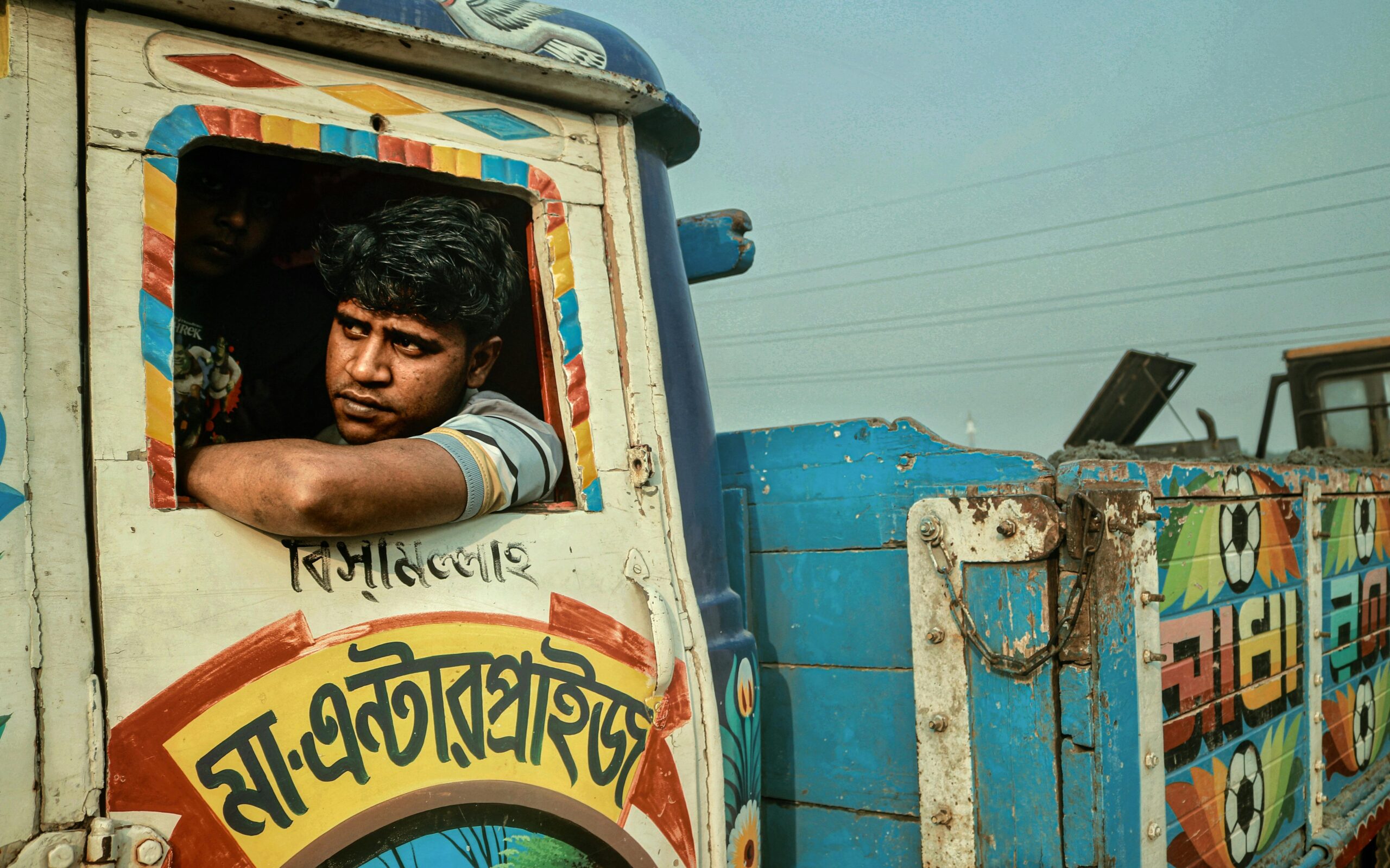
In most state logistics operations, routes are decided long before the vehicle ever hits the road.
They are based on assumptions. Historical traffic patterns. Fixed delivery sequences. And the hope that nothing unexpected happens along the way.
But unexpected things happen every day.
Traffic builds where it shouldn’t. Vehicles run half full. Drivers wait at depots longer than planned. Critical supplies arrive late not because anyone failed, but because the system itself cannot adapt.
This is where AI driven route optimization changes the equation.
Instead of treating routes as static plans, an enterprise AI system could continuously adjust them in real time. It could factor in live traffic conditions, vehicle load capacity, delivery priorities, and depot availability to decide not just the fastest route, but the most efficient one overall.
A delivery vehicle stuck in congestion would no longer be a sunk cost. The system could reroute it dynamically, re-balance loads across the fleet, or adjust delivery sequences to protect time sensitive supplies like rations or medicines.
Over time, these micro adjustments could compound into meaningful operational gains.
Fuel consumption could drop as vehicles travel fewer unnecessary kilometers. On time delivery could improve because routes adapt to reality, not forecasts. Driver overtime and idle hours could fall as schedules become more predictable and balanced.
The biggest shift, however, would be in how decisions are made.
Dispatch teams would move from manual firefighting to oversight. Fleet productivity would be measured not just by distance covered, but by outcomes delivered. And leadership would gain visibility into how routing decisions directly affect cost, service reliability, and workforce efficiency.
This is not about replacing planners or drivers. It is about giving them a system that thinks ahead, reacts faster, and learns from every trip.
AI driven routing creates impact when logistics systems are designed to respond to conditions as they change, not after delays have already occurred.
If your delivery routes could adapt in real time, where do you think the biggest efficiency gains would come from?
#EnterpriseAI #Logistics #RouteOptimization #OperationalEfficiency #SupplyChain #crizzen