
Why food delivery breaks down at the hand-off between kitchen and rider

Food delivery delays are often caused not by distance, but by poor coordination between kitchens, riders, and real time demand. An AI driven delivery route optimization and kitchen allocation system can dynamically assign orders to the most efficient kitchen or rider based on prep time, kitchen load, and delivery ETA. This reduces delivery time, minimizes cold food complaints, and lowers last mile logistics costs.
Why healthcare workforce efficiency is not a staffing problem, but a planning one

Healthcare workforce planning is often driven by fixed rosters and historical averages, leading to understaffing during peak demand and burnout across teams. An AI driven workforce allocation and productivity analytics system can model case load, shift history, and patient acuity to generate optimized schedules dynamically. This improves turnaround time for patient services while reducing burnout and operational risk.
The Ippy Dippy Waitlist Is Now Live.
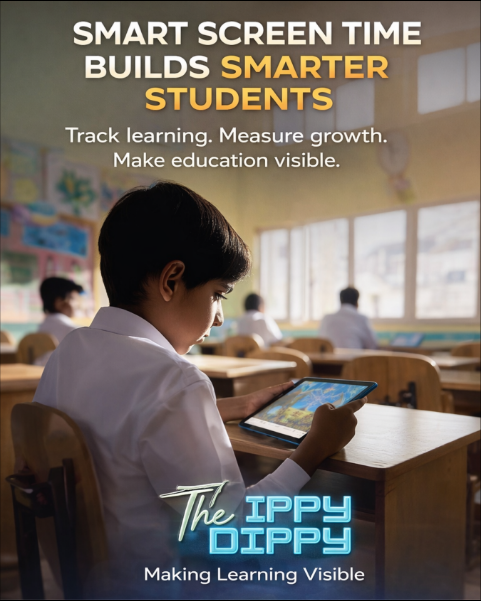
Learning doesn’t only happen in classrooms. It happens through YouTube, books, podcasts, articles, documentaries, field trips, internships, creative projects, service, certifications, and everyday curiosity.
The Ippy Dippy helps students and families capture and showcase all of it in one transparent, organized place.
The waitlist is now open. It’s free, and it always will be.
Join here: TheIppyDippy.com
Why insurance claims move faster when damage is assessed the moment it’s reported
Home insurance claims are often slowed by manual inspections, delayed assessments, and limited on ground availability after incidents like fire, flood, or burglary. Visual AI can assess damage from customer uploaded photos or videos, classify affected items or structures, and estimate claim value instantly using linked pricing data. This can shorten settlement cycles, reduce inspection dependency for low severity cases, and improve customer experience during stressful moments.
How sponsorship value in sports is finally becoming measurable in real time

Sponsorship valuation in sports has traditionally relied on manual tracking, post event reports, and fragmented media data. Visual AI based sponsorship monitoring can automatically detect logo placements across broadcast, digital, and print channels in real time, enabling unified valuation, cross brand visibility comparisons, and highly accurate exposure measurement. This gives rights holders and sponsors a clearer, faster view of true media value.
Why the future of wealth management is about anticipation, not reaction
Wealth managers often engage clients reactively, responding after liquidity needs change or churn risk becomes visible. An AI driven order mix and capacity planning forecast could predict shifts in client risk appetite, liquidity needs, and financial behavior using transactional, demographic, and external signals. This would enable proactive RM engagement, stronger client relationships, and lower churn by acting before needs become urgent.
Why internal audit and governance in NBFCs needs to move into the workflow
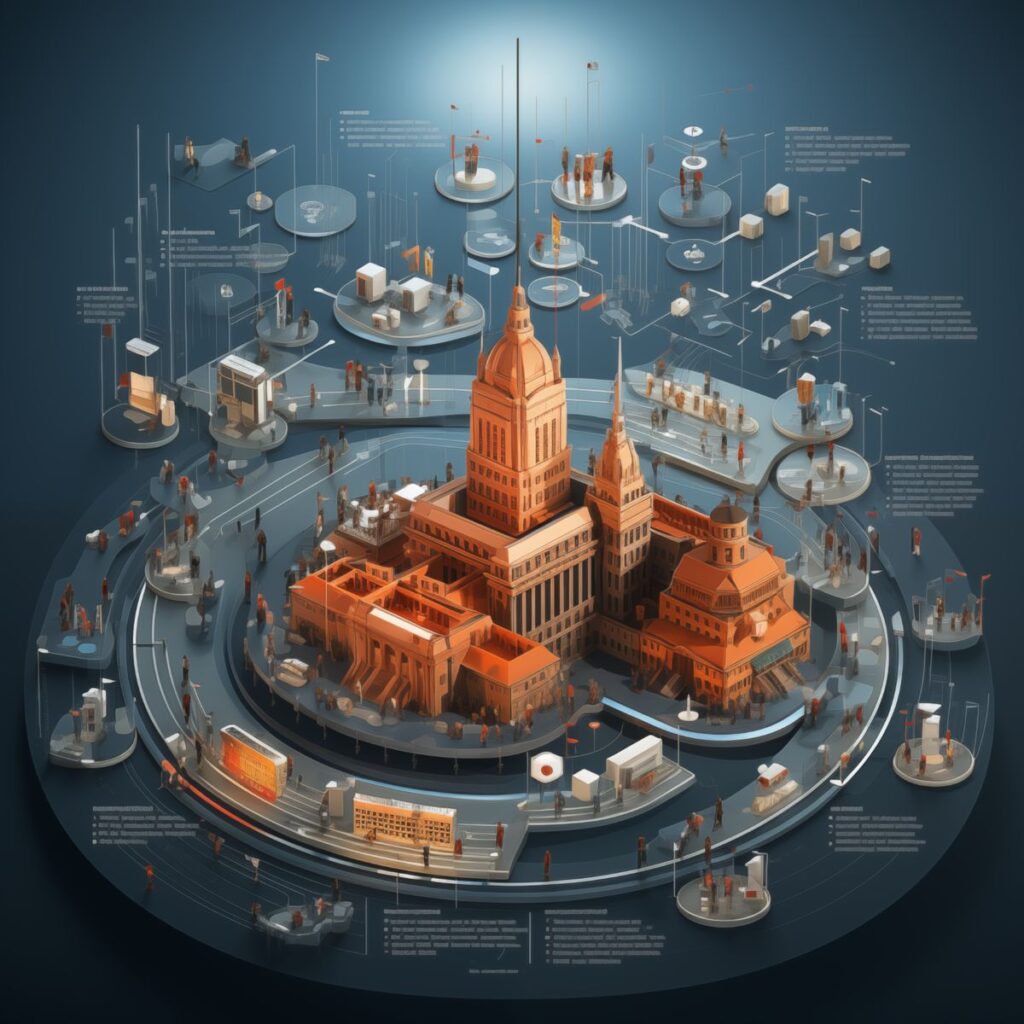
Most NBFCs run governance as a reactive layer, with issues surfacing during audits rather than being prevented in real time. By embedding approvals, compliance checks, and accountability directly into lending workflows, an AI enabled governance layer can enforce control by design. This strengthens internal controls, reduces regulatory risk, and improves confidence for management, auditors, and regulators without slowing business growth.
What changes when client on-boarding stops being a mess of emails

Client on-boarding in small offices is often manual, fragmented, and slow, leading to missing documents, repeated follow ups, and delayed starts. A digital client intake and on-boarding workflow could standardize information capture, automate document collection, and provide real time visibility into on-boarding status. This would reduce operational effort, shorten on-boarding cycles, and improve both client and team experience.
How AI could bring efficiency to kitchen staffing and equipment

Kitchen staffing and equipment schedules are often set using fixed rosters and intuition, leading to over-staffing during slow hours and strain during peaks. An AI driven kitchen resource optimization system could predict demand by area and recommend how to align crew and equipment in real time. This would lower labor costs, reduce idle capacity, and improve utilization when demand spikes.
What manufacturing teams could unlock by letting machines handle visual quality checks
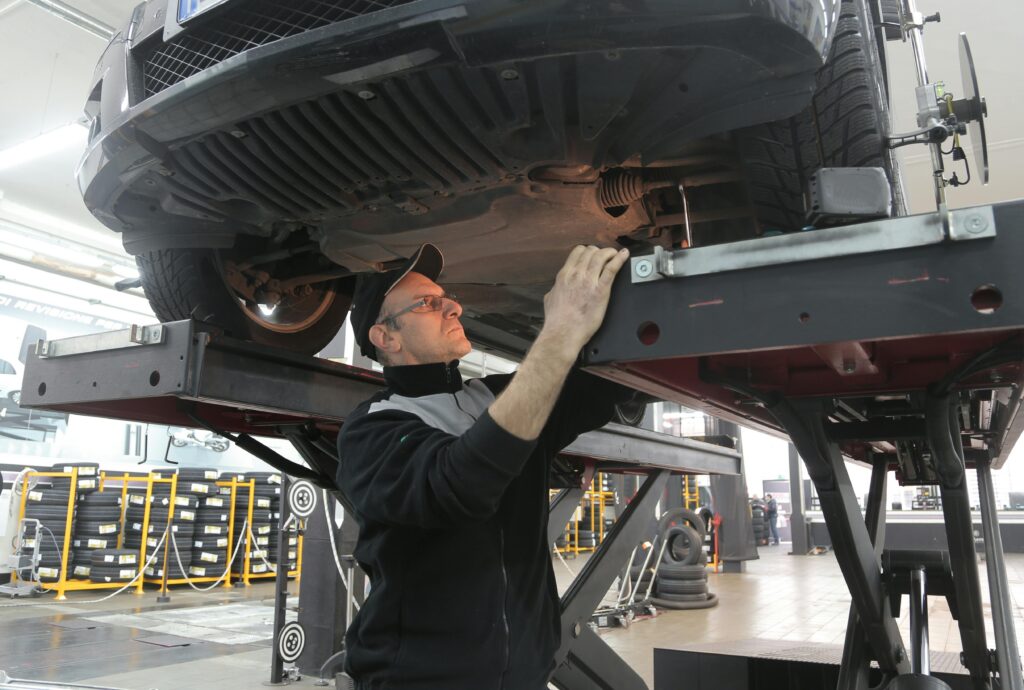
Manual visual inspections are slow, inconsistent, and difficult to scale across high volume production lines. An AI powered visual quality inspection system could use computer vision to detect defects in real time with high precision. This would reduce defective parts, improve inspection consistency, increase throughput, and cut scrap and rework by catching issues earlier.