Case Studies

Why 88% of Contact Centers Use AI and Only 25% Get Results From It

The contact center industry has an uncomfortable gap between adoption and impact. The global AI customer service market has reached $15.12 billion in 2026, growing at 25.8% annually. 88% of contact centers are using AI in some capacity. And yet only 25% have fully integrated it into daily operations. That gap is not a technology problem. It is a deployment problem. And until organizations learn to close it, the promised economics of AI-powered service will remain a projection rather than a result.

Why Tenant Churn Is Quietly Destroying NOI And How AI Fixes It

PropTech is undergoing a sharp valuation reset, with vertical software multiples compressing by 39 percent in recent months. In this environment, Net Operating Income is no longer a reporting metric. It is the primary lever for defending valuation. One of the most overlooked drivers of NOI erosion is tenant churn driven by reactive management systems. AI driven churn prediction enables operators to identify and intervene before tenants exit, reducing vacancy costs, improving retention, and directly strengthening asset performance.

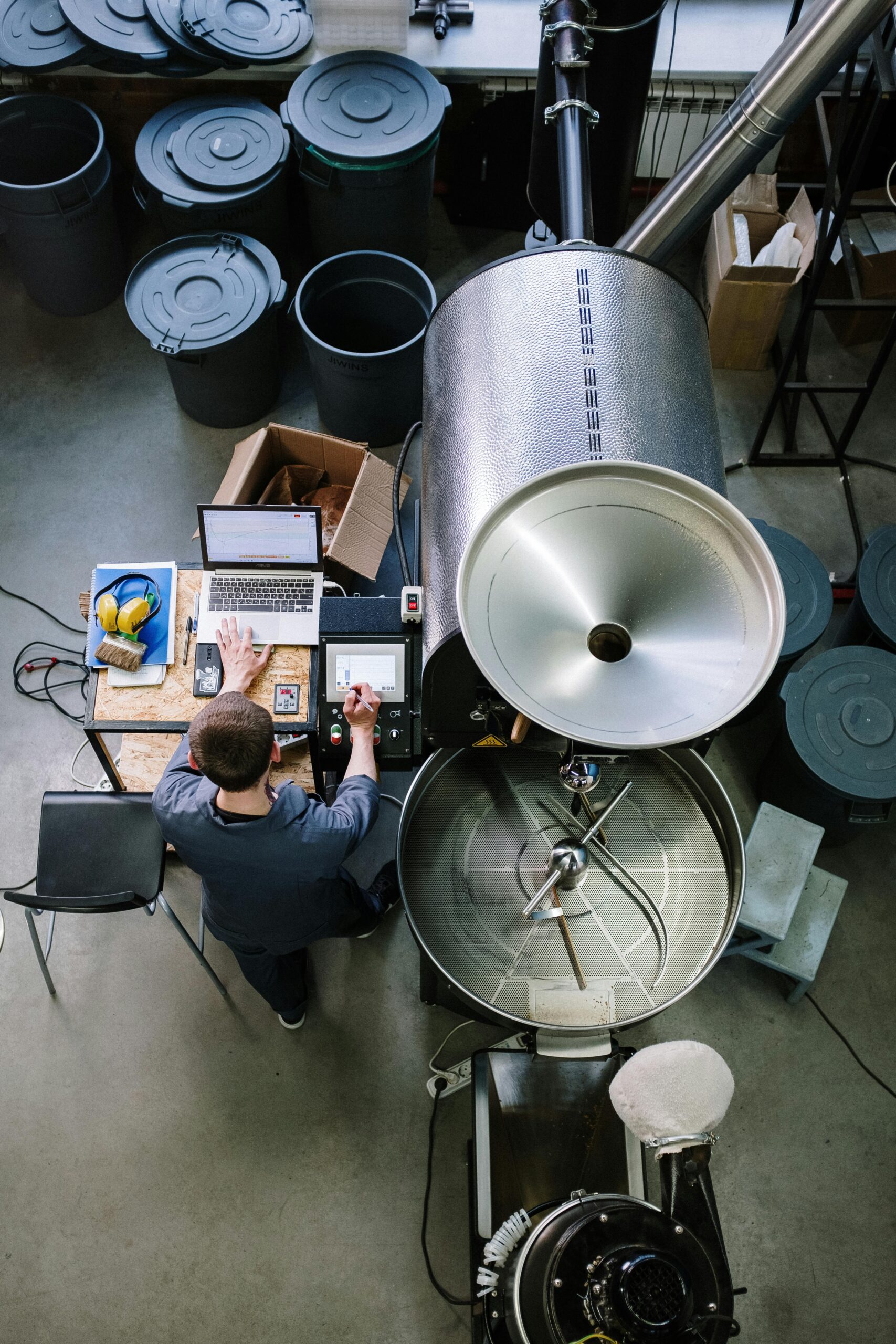
Why Manufacturing Planning Is Breaking and How AI Scheduling Is Fixing It

Manufacturers are increasingly struggling with planning complexity that traditional ERP systems and manual scheduling cannot handle. Despite decades of ERP evolution, many plants still rely on spreadsheets and human intuition to manage production schedules. This creates hidden inefficiencies, unplanned downtime, and delayed response to disruptions. AI-driven production scheduling, combining machine learning with optimization models, enables real-time decision making, reduces downtime by up to 37 percent, improves on-time delivery beyond 98 percent, and compresses planning cycles from hours to seconds.​

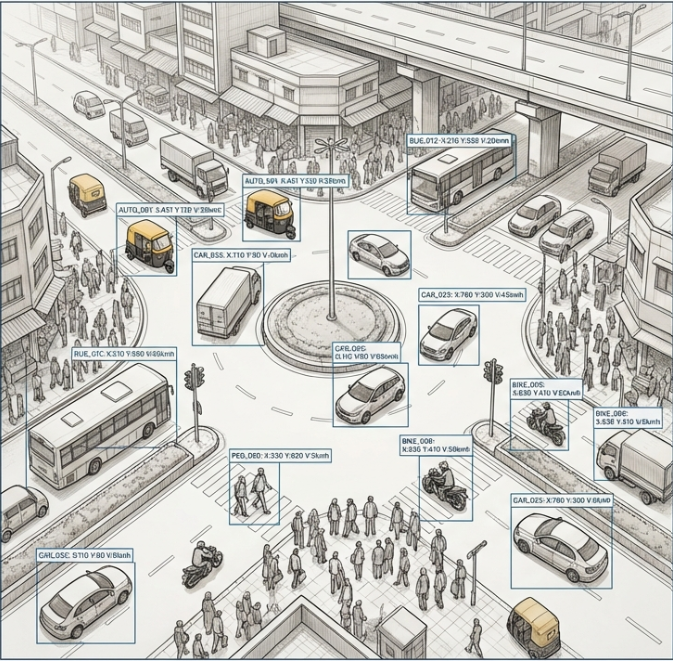
The Intelligence at the Intersection: How AI Is Reshaping India’s Traffic and Road Safety System

India is facing a severe road safety and mobility challenge, with nearly 1.73 lakh fatalities recorded in 2023, translating to roughly one death every three minutes. Over-speeding contributes to more than two thirds of these incidents. Traditional traffic management systems are not designed to handle the scale and variability of modern mobility.​

Smart Family Office Automation: The Rise of the AI Digital Steward

Family offices are increasingly managing multi billion dollar portfolios using fragmented systems, spreadsheets, and disconnected reporting tools. This creates operational risk, delays decision making, and limits visibility across complex investments. AI driven automation introduces a new operating model often referred to as the Digital Steward. By combining intelligent document processing, conversational analytics, and agent based automation, family offices can move from manual oversight to real time decision intelligence while significantly reducing administrative workload.​

Beyond the Robot Concierge: How AI Is Quietly Redefining the Modern Hotel Experience

Artificial Intelligence is rapidly reshaping hospitality. The global AI in hospitality market is projected to reach $1.44 billion by 2029, signaling a shift from experimentation to operational necessity. Forward-thinking hotels are using AI not just to automate tasks, but to create hyper-personalized guest journeys, optimize operations through digital twins, and unlock new revenue opportunities. The result is a hospitality model where digital intelligence enhances, not replaces, the human experience that defines great hotels.

Workview Demo Form

Try TickL Beta Now