
How AI could bring efficiency to kitchen staffing and equipment
Food & Beverages
Resource Management
Kitchen staffing and equipment schedules are often set using fixed rosters and intuition, leading to over-staffing during slow hours and strain during peaks. An AI driven kitchen resource optimization system could predict demand by area and recommend how to align crew and equipment in real time. This would lower labor costs, reduce idle capacity, and improve utilization when demand spikes.
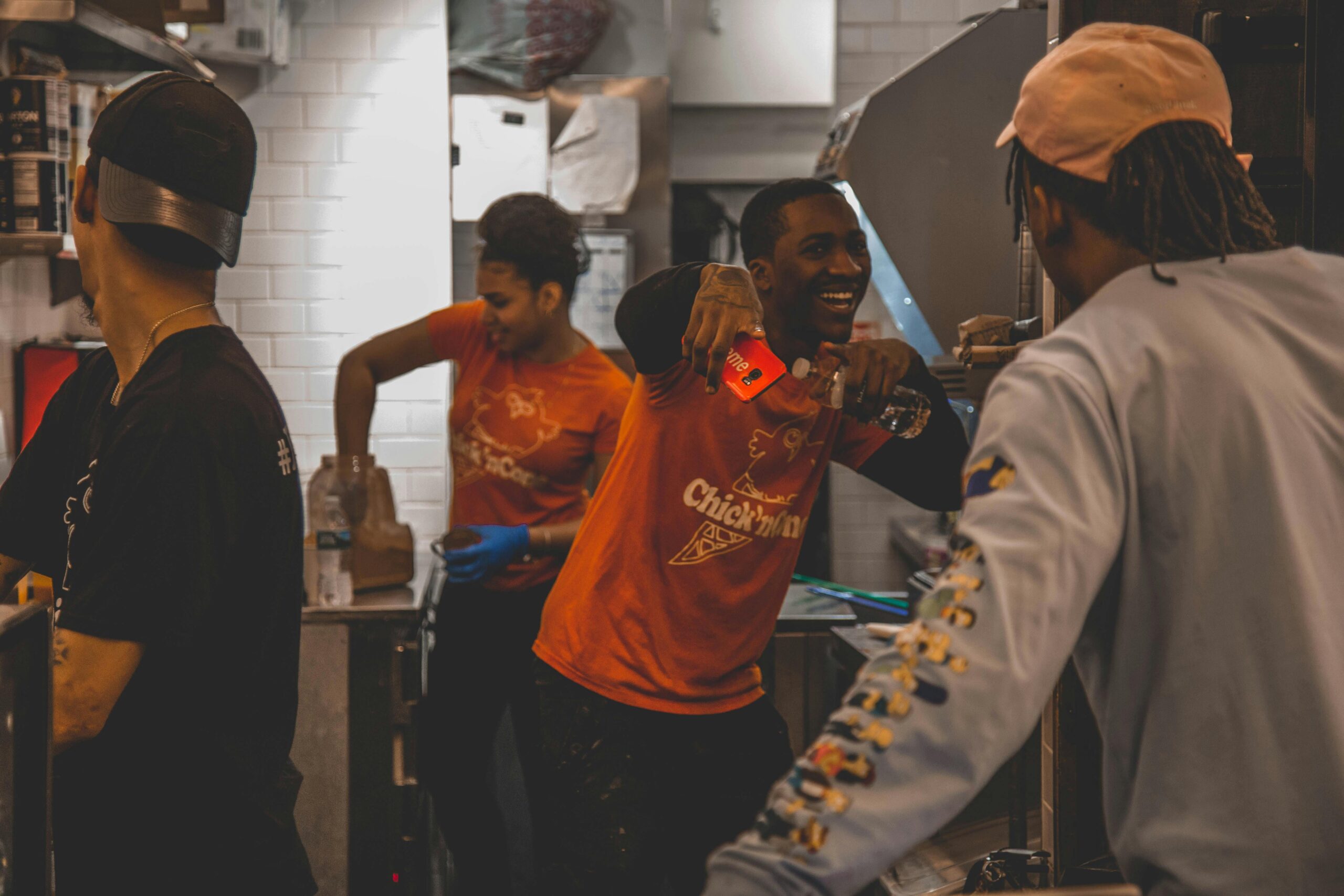
Most kitchens are built to handle the rush. The problem is everything around it.
Quiet hours still carry full staffing. Equipment sits idle when it could be shared or powered down. Then peak demand hits and teams scramble, not because they are unprepared, but because planning was based on averages, not reality.
This is where AI driven kitchen resource optimization could make a meaningful difference.
Instead of locking staffing and equipment schedules days in advance, an AI system could forecast demand by location, time, and order patterns. Prep times, shift schedules, and equipment availability could be coordinated as one system rather than separate decisions.
The model could recommend when to scale crews up or down, when to reassign tasks, and when automation or batching makes more sense than manual effort. During slower periods, it could highlight opportunities to reduce staffing without hurting service. During peaks, it could signal the need for additional capacity before delays show up.
Over time, these recommendations could improve efficiency across the kitchen.
Labor costs would align more closely with actual demand instead of fixed rosters. Over-staffing during slow hours could drop without impacting readiness. Utilization during peak periods could increase because resources are already in the right place.
The biggest shift would be operational confidence.
Kitchen managers would spend less time reacting and more time orchestrating. Teams would feel the difference when schedules make sense and workloads feel balanced. And leadership would gain visibility into how staffing decisions affect margins at a granular level.
This is not about squeezing teams harder. It is about matching effort to demand with precision.
When kitchens plan with intelligence instead of instinct, efficiency stops being a guessing game.
AI driven resource planning creates value when kitchens are staffed for what is coming, not what already happened.
If your kitchen schedules could adapt to demand in real time, where do you think the biggest efficiency gains would show up?
#EnterpriseAI #FoodOperations #KitchenManagement #OperationalEfficiency #WorkforcePlanning #crizzen