
What manufacturing teams could unlock by letting machines handle visual quality checks
Manufacturing
Visual Quality Checks
Manual visual inspections are slow, inconsistent, and difficult to scale across high volume production lines. An AI powered visual quality inspection system could use computer vision to detect defects in real time with high precision. This would reduce defective parts, improve inspection consistency, increase throughput, and cut scrap and rework by catching issues earlier.
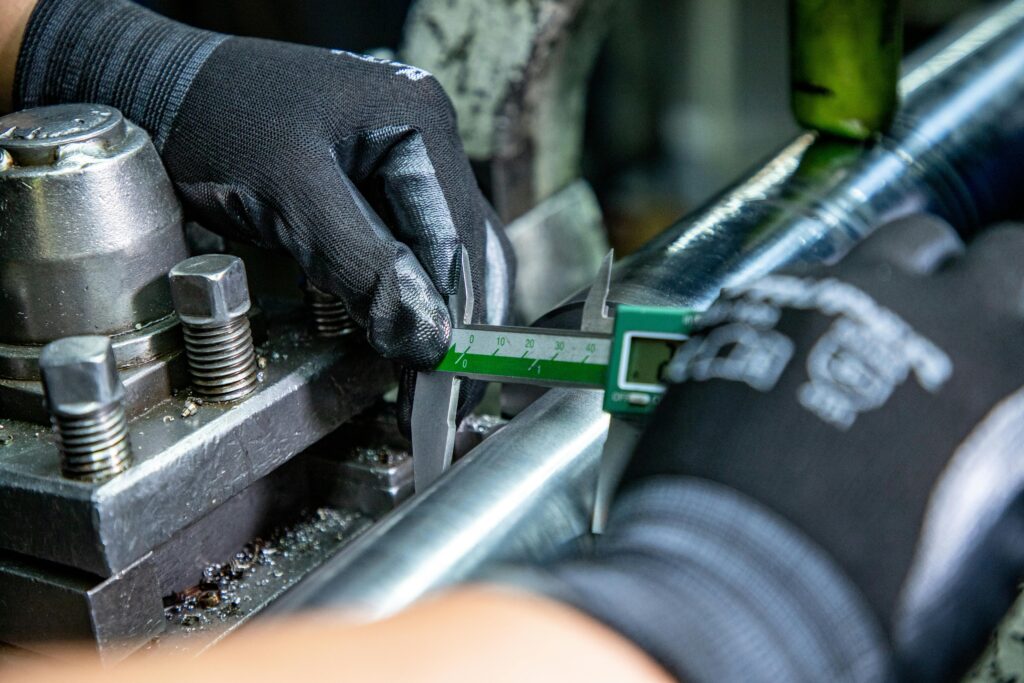
On most production floors, quality checks still rely on tired eyes.
An operator scanning part after part. A supervisor stepping in when defect rates spike. A review after the shift ends, when the material is already wasted and the cost already locked in.
No one doubts the importance of quality. The challenge is that humans are not designed to inspect thousands of identical components with perfect consistency.
This is where AI powered visual inspection changes the conversation.
Instead of sampling or periodic checks, computer vision models could monitor every unit moving through the line. High resolution cameras combined with trained models could detect surface defects, dimensional anomalies, or assembly issues in real time, without slowing production.
The system would not just flag defects. It would learn patterns.
Over time, it could identify when defect rates start creeping up, which machines are drifting out of tolerance, or which shifts see higher variability. Issues that usually surface after inspection reports could be caught while production is still running.
The operational impact could be significant.
Defective parts would be removed before they move downstream. Inspection outcomes would be consistent and traceable across every run. Throughput could increase as manual bottlenecks are removed. Scrap and rework would drop because problems are addressed early, not after the fact.
Perhaps the most meaningful shift would be cultural.
Quality teams would spend less time inspecting and more time improving processes. Operators would get immediate feedback instead of delayed reports. And leadership would gain confidence that quality standards are enforced the same way, every time.
This is not about replacing people on the line. It is about giving them a system that never gets tired, never loses focus, and learns from every defect it sees.
AI powered inspection creates value when quality moves from periodic checks to continuous assurance.
If every unit on your production line could be inspected in real time, where would you expect the biggest gains to show up first?
#EnterpriseAI #Manufacturing #QualityInspection #ComputerVision #OperationalExcellence #crizzen